
Mongolia – Headwaters Expedition
FreshwaterMongolia – Headwaters Expedition is a full-on expedition and one of the world’s most unique angling experiences, combining incredible fly fishing opportunities and a wonderful cultural odyssey into a true adventure of a lifetime. And one we’re sure you’ll want to repeat time and again!
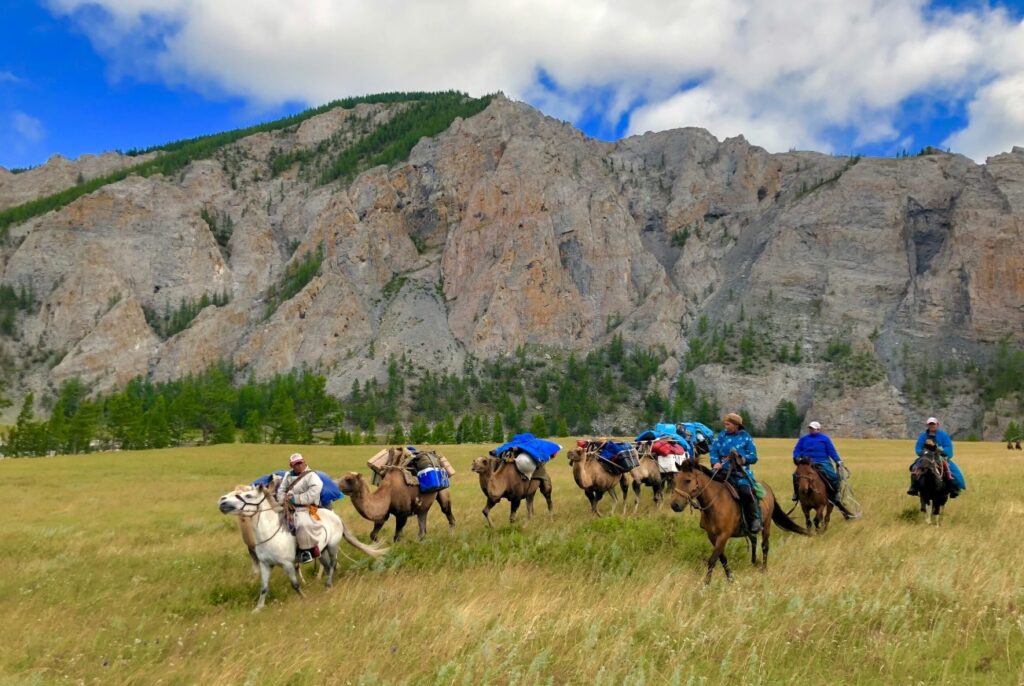
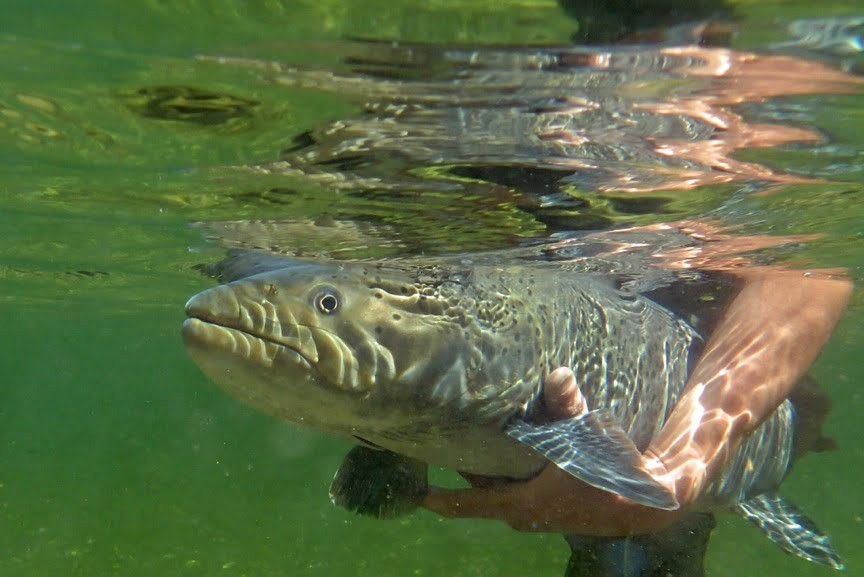
This very unique fly-fishing expedition is limited to four adventurous travelers per departure. The trip is an opportunity to travel deep into the wilderness and engage with traditional Mongolian nomads. We stay in a mix of Nordic tipi camps and ger camps. The guides call the upper headwaters “The Temple”. The canyons are magnificent with steep, forested walls. The boulder filled tumbling river is spectacular. The taimen and trout fishing are typically phenomenal.

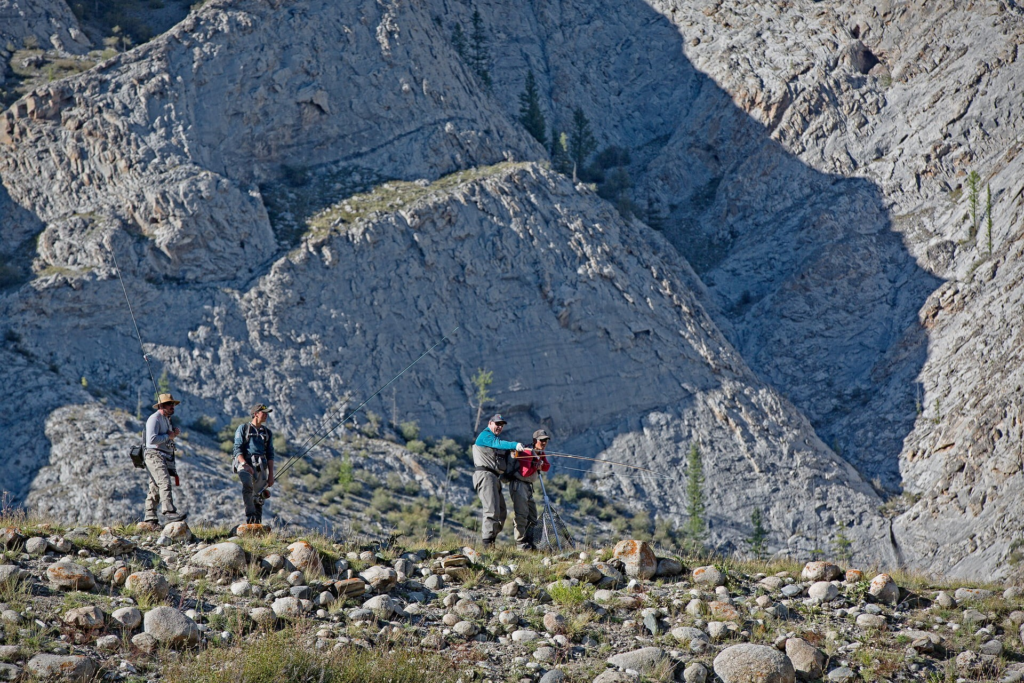
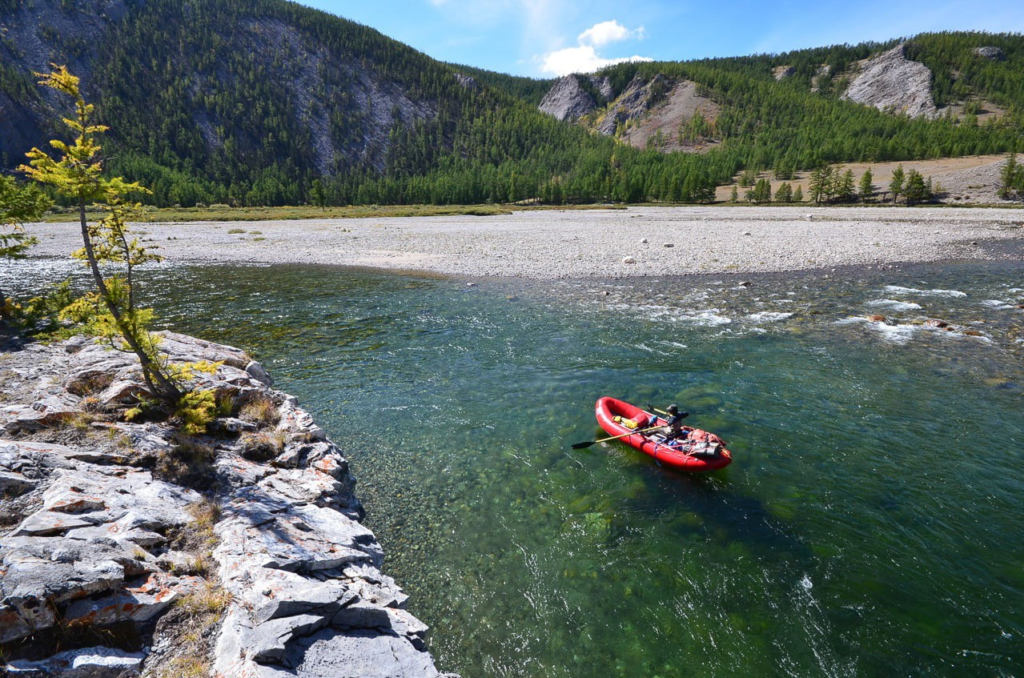
The first part of this trip emphasizes walk and wade fishing while the last two days incorporates floating some incredibly scenic – and productive – stretches of this amazing river. We’ve found this to be a great balance and the best approach to this unique fishery.
Upon arrival in Mongolia, an English-speaking guide and driver transfer guests to a comfortable hotel in the center of Ulaanbaatar. Early the next morning, a ninety-minute commercial flight delivers anglers to the small town of Muron. From here, you’ll drive approximately five to six hours across the Mongolian countryside to reach our base camp which is well equipped with comfortable gers for dining and accommodation.
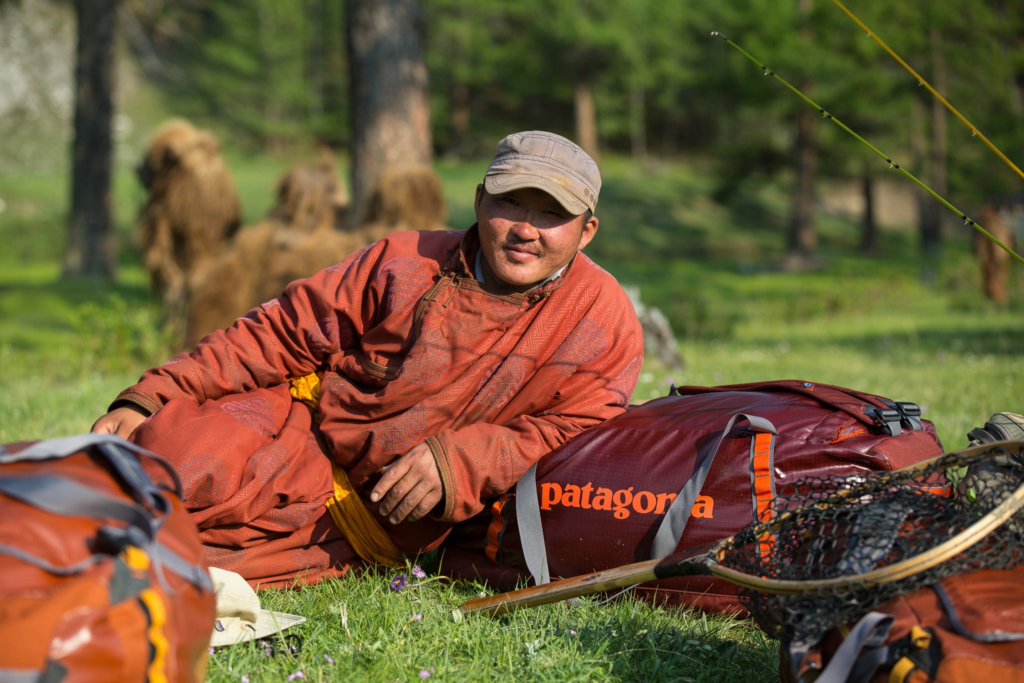
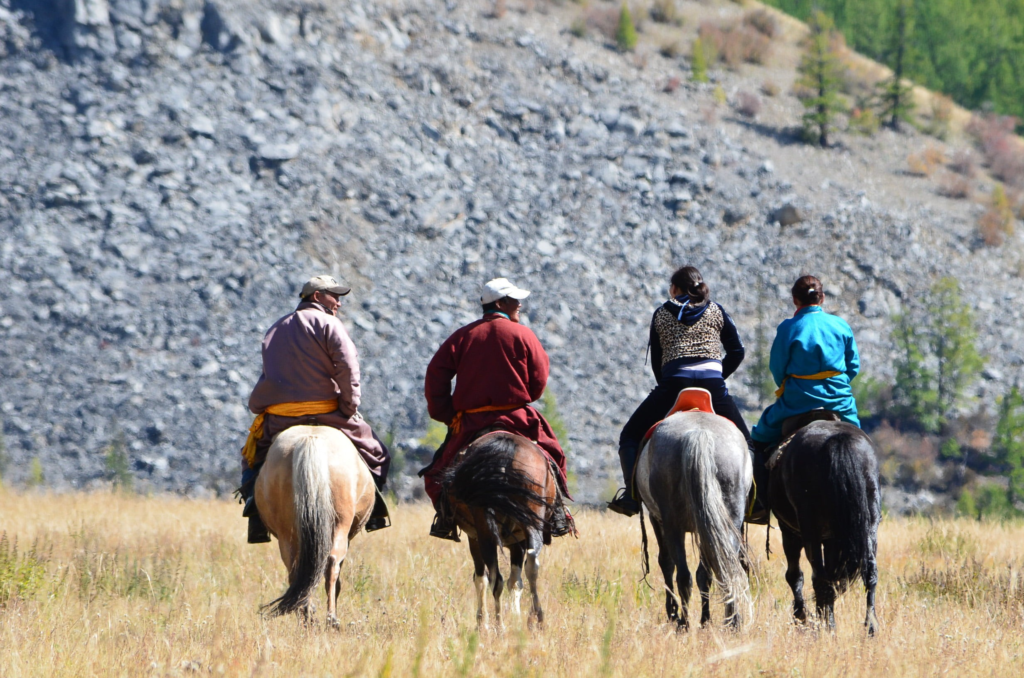
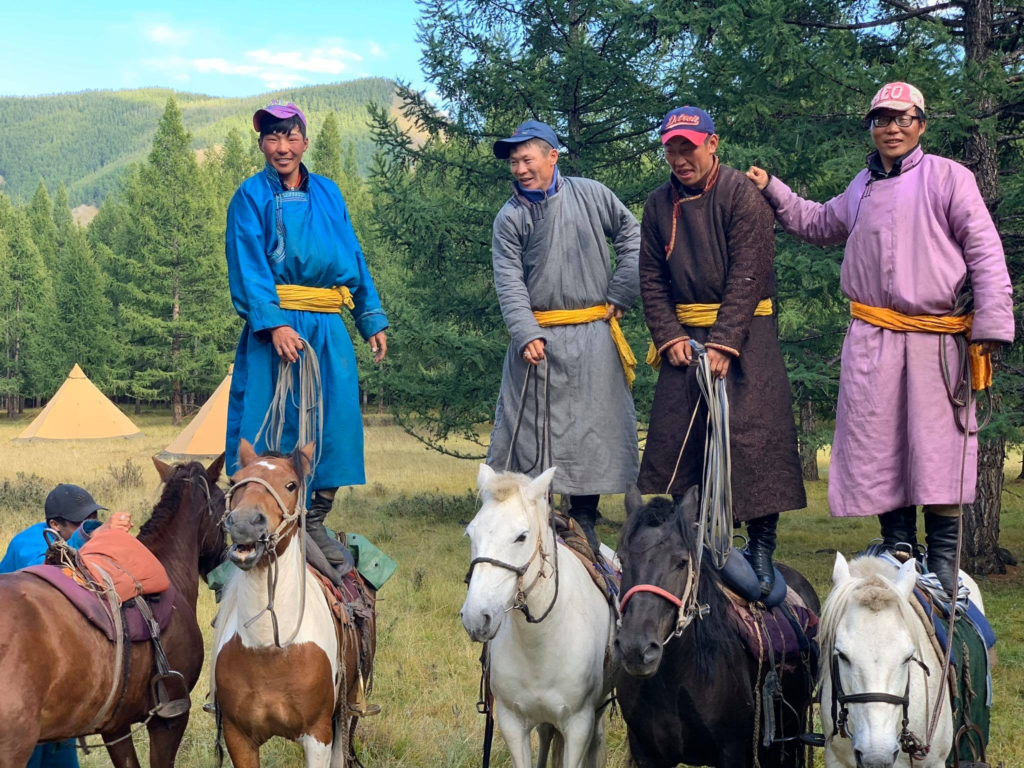
This leg of the journey will be your first chance to see the “real” Mongolia, complete with horse riding nomads living in traditional gers. You should reach the upper river camp in time for an early dinner with plenty of time to rig up and prepare for the next six days of fishing.
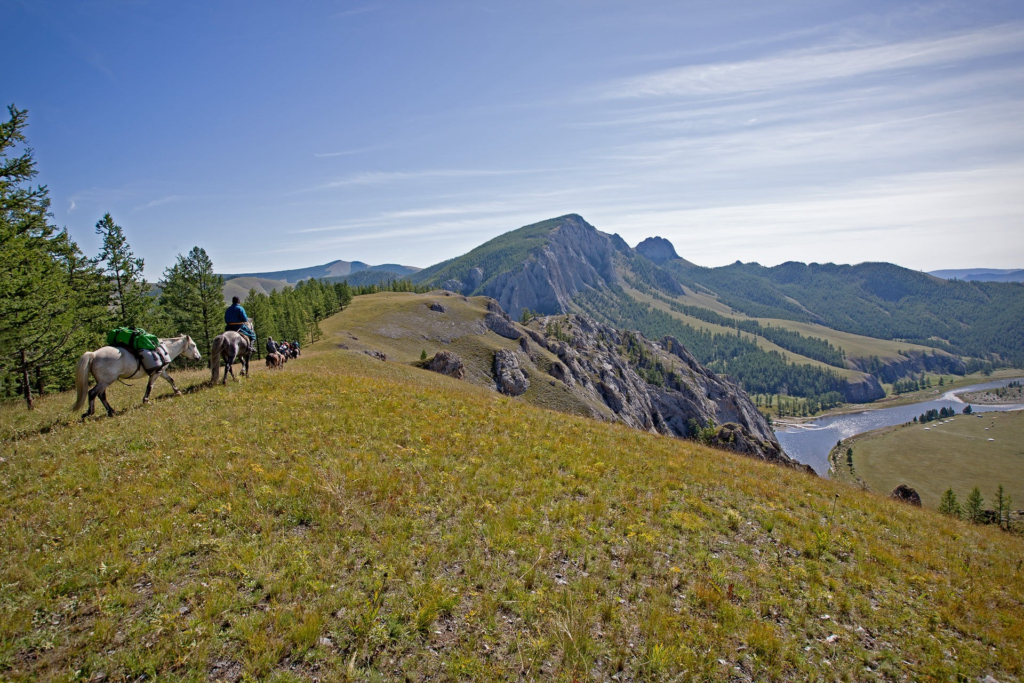
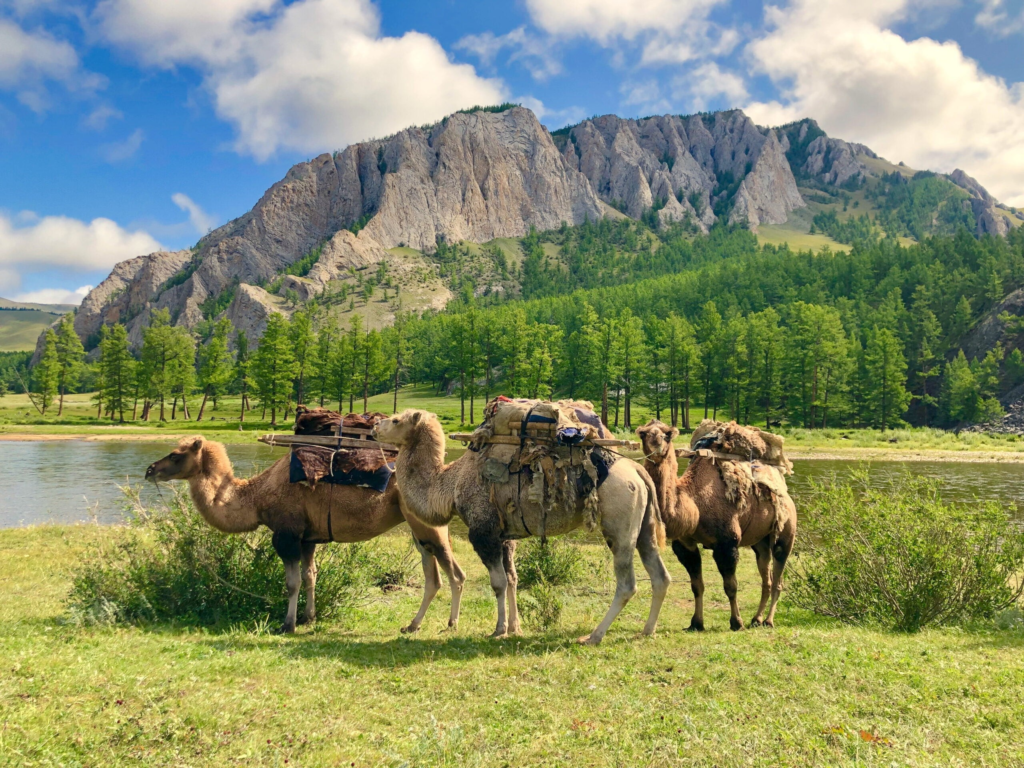
This is a true expedition so your guides will decide your motions for the week day by day, dependent on current weather, river and fishing conditions. There are miles of excellent river accessible from each and every camp. Typically, during your first morning on the river, we load up the camels and horses to begin our upriver journey. We’ll often travel up to twelve miles (twenty kilometers) into the headwaters over the course of the next three days to reach the upper most camp. Guests have the option to either hike or ride upstream and pack-stock will carry our gear. The route is not too rugged and has a gradual elevation gain. We must make several river crossings either using the horses or with rafts.
Mongolia – Headwaters Expedition – Accommodation
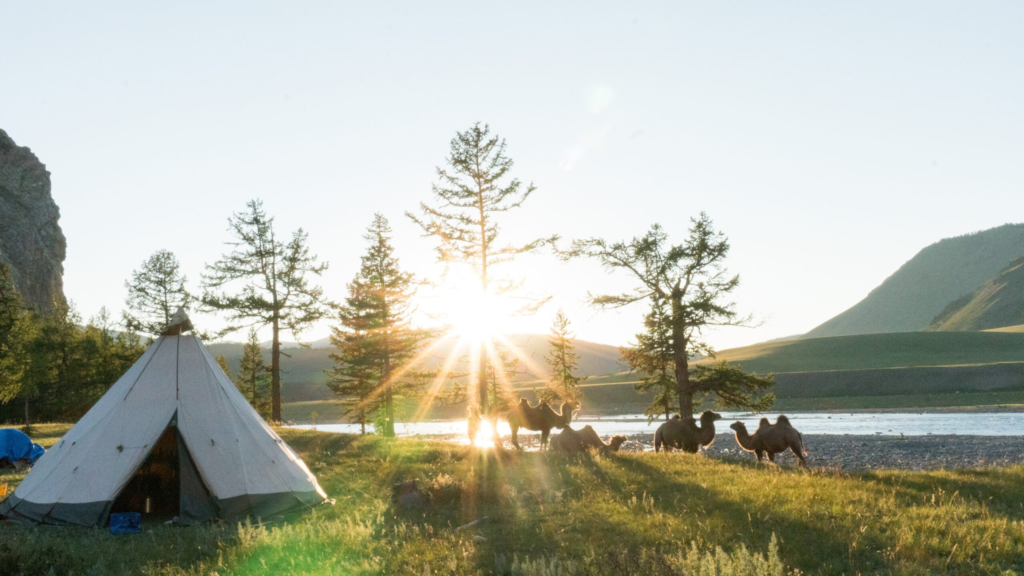
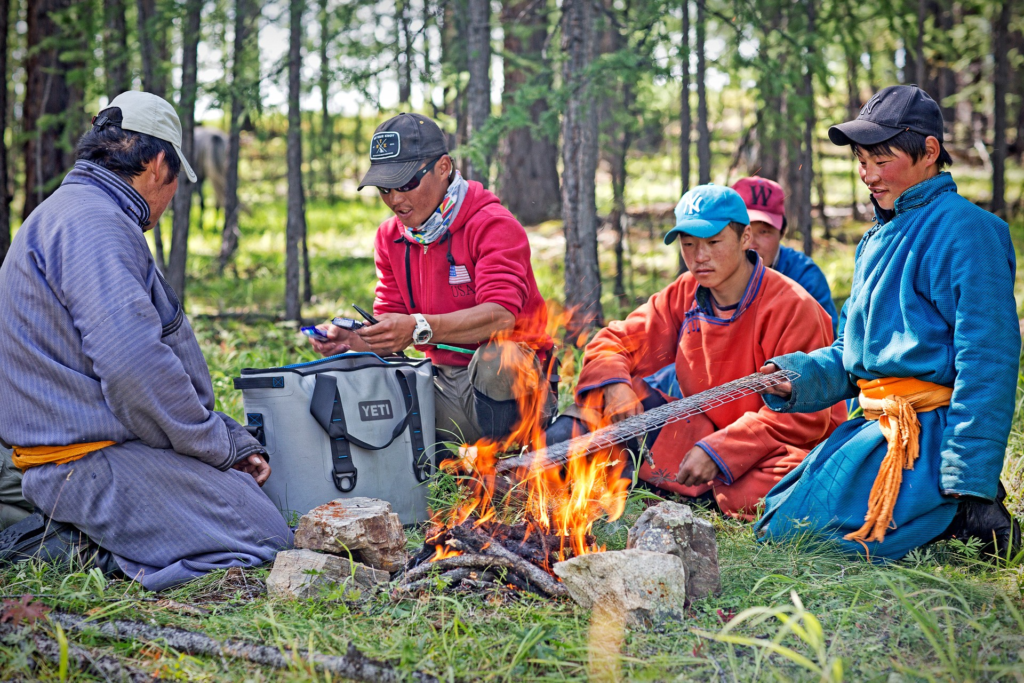
Once we reach the first camp we will begin the walk and wade portion of the fishing. You may stay in this camp for several days and hike to fishing each day; or relocate camp as you continue the upriver journey. We’ll spend the next few days exploring this amazing stretch of water, staying in comfortable expedition camps along the way. Equipment will be moved to the next camp each day by our experienced expedition staff so all you have to worry about is the day’s fishing!
Upon our return to base camp, we float and fish over the last two days of the journey covering over twenty-five miles (40 kilometers) of river. It’s a slightly different pace and approach to the fishing we’ve had on the upper river and just might give you that perfect drift or the chance to get a fly in front of those otherwise hard to reach fish. The last two camps you stay in below base camp are fully equipped and very comfortable ger camps.
Please NOTE: Participants must be in very good physical condition to participate in this expedition.
Mongolia – Headwaters Expedition
Itinerary
Anglers must be able to hike or ride horses several miles into the backcountry and should be accustomed to wilderness conditions. The level of exposure in these uppermost reaches of the river
is high and weather can force trip adjustments. Guests must be able to wade-walk along a river with a rocky bottom and strong current. Anglers should be proficient with a two-handed rod (spey or switch) or have a solid double haul to adequately cover the water on the walk and wade portion of the expedition.
We keep angler and trip participant numbers low on this trip. We send two professional fly fishing guides on the trip. There is a limit of four anglers per departure.
Day 1 Arrival in Mongolia
Airport Arrival The airport is small and easy to navigate. The airport code for Chinghis Khan International Airport is: UBN. There are direct flights from Seoul, Istanbul, Frankfurt, Tokyo, and Beijing. Most guests fly via Seoul, Istanbul, or Tokyo.
Airport Transfer After clearing immigration/customs, you’ll be met by an MRO/FM driver and English speaking guide who will transfer you to the hotel. It’s an approximately 60 minute drive from the airport to the hotel in the city center.
Support Your group will have full access to the support services of MRO/FM’s professional staff and international office located in downtown UB. They will be able to direct you to the capital’s interesting restaurants, monasteries,
museums, performances, and shops. We highly recommend that you make full use of this complimentary service. The office staff are wonderful folks and will help you make the most of your time in Mongolia’s very unique capital city.
Dining You will be responsible for dining while in Ulaanbaatar. There are now many good restaurants in the city. The MRO/FM team will be more than happy to provide suggestions and help make arrangements.
Accommodation Hotel, Ulaanbaatar, Mongolia
Days 2 – 8 Seven Nights on the River
Travel to the River We check out of the hotel after an early breakfast and drive to the airport.
You may leave extra bags at the hotel. You’ll be taking a commercial flight to the small town of Muron. The flight out from the capital takes 90 minutes. The Muron airport is tiny. MRO/FM staff will meet you there,
help you with your bags, and accompany you to the first camp. The drive from the airport to the upper camp is approximately 5-6 hours in a comfortable 4×4. It’s a great opportunity to see rural Mongolia. You’ll be on the river in time for an early dinner and very good night’s sleep.
The Expedition In true expedition fashion your guides will determine the movements of your journey day by day. Their decision making is based on current weather, water and fishing conditions. We typically depart our arrival “base camp” on the first morning on the river. When the time comes the camels will be
loaded and we will begin our horseback journey into the headwaters. There are miles of excellent water at the doorstep of each and every camp along the way.
On our upriver journey guests have the option of riding horses or walking.
The horses belong to local herding families and are what we like to call
“using” horses. These are not the calm stable ponies you might experience at a dude ranch in the American West. They are fun to ride but can be spirited. Our staff are very experienced and safety conscious but if you are not comfortable riding a horse, please chose the hiking option.
The total distance to our upper most camp area is approximately 12 miles (twenty kilometers.) The river distance is nearly twice this, giving us miles of taimen habitat to explore along the way.
We typically will work our way upstream a few miles every day, either
moving camp each day or setting up a central basecamp to strike out from each morning and return to each night. We have several inflatable rafts that we use to get our equipment and occasionally ourselves downstream while we eventually fish our way back down to our arrival camp. Somedays, we will have lunch in camp and others we will have a shore lunch on the banks of the river. The first portion of this trip is a walk and wade trip. The last two days we cover over twenty-five miles (40 kilometers) of river floating.
The client to guide ratio is 2:1.
Camp Life You can expect to stay in two different types of camps on this trip. The upper river spike camps are equipped with tipis. Our arrival camp is a traditional Mongolia ger camp as are the last two camps on the river.
Much like an African tented safari, the camps are rustic but very
comfortable. Each campsite along the river is uniquely peaceful, designed to reflect Mongolian traditions and integrate with the country’s natural surroundings. They are completed with cook tent, hot showers, toilet facilities, and a dining ger or tent. Accommodation will be in either a tipi on the upper river or a ger on the lower river. There are no generators or stereos, only the sounds of the trees and the river, the lights of candles and stoves, and the sparkling night stars.
The cooks are veterans. The food is fresh, diverse and very well suited to
Western tastes. The coffee is hot, the beer cold and the wine very palatable!
Breakfast and dinner are served inside a dedicated dining ger or tent
complete with tables, chairs, and wood stove.
With their wooden lattice frames, wood burning stoves and insulating felt walls, sleeping in a cozy Mongolian ger is a great experience. It’s much like having a spacious streamside hotel room. The gers have wood stoves. On cool mornings, one of the camp staff will enter at your request and light the stove before sunrise… a great way to start the day!
Fish Mongolia: Headwaters Expedition Itinerary and Trip Planner Page 5
The tents (tipis) are also very comfortable. The tipis are over ten feet tall and nearly eighteen feet wide.
Both the gers and the tipis accommodate two guests and are outfitted with simple table and chairs, wool carpets, two cots with pads, and extra blankets. (You must bring your own sleeping bag). Please note: on some trips the weather is quite nice and many guests never use their sleeping bags; on others, sleeping bags are a necessity as the nights can get cold.
Hot shower facilities are located in specially designed gers or large tents.
Toilets facilities are set up in spacious tents privately situated a short walk from the camps. Both facilities are quite comfortable and private.
Mongolian culture venerates hospitality and the camp staff is no exception.
They are wonderful, hard-working, fun, and highly attentive folks. You’ll
have a great time getting to know them and they will make your visit
remarkable.
The Water MRO/FM operates on what we believe to be the two best taimen rivers in the world. These rivers have incredibly healthy taimen populations and we work hard to protect these special fish. However, taimen fishing is not always easy. Come prepared for a super fun challenge.
These streams are amazingly well suited for fly-fishing. The river has loads of structure. There are several small pool/drop rapids and plenty of bumpy sections with large boulders and loads of interesting features, including riffles and pools. We fish only the prime season when the water is generally very clear. However, gin clear water is not guaranteed. Wild taimen only survive in true wilderness. There are no dams and river flow may fluctuate substantially with the weather. When the water is clear, we frequently spot cast for big fish, much like chasing tarpon on the flats. This requires very stealthy and technical fishing. Over the period of the week, we generally hook progressively more and larger fish as everyone learns the secrets of Taimen.
Wildlife Besides the incredible fishing (of course) the healthy riparian habitat is good for wildlife. Birds are generally the highlight, including numerous raptors spotted along the forested river bottom. The watershed hosts many mammals, but these creatures are generally shy. There are roe deer along the banks and moose, elk and bear on the upper stretches. In the early autumn, you may hear elk bugling on the upper river. Occasionally we even hear wolves in the evenings. Mink, sable and beaver are spotted from time to time. There are fantastically large Siberian marmots cheerily whistling along the banks.
The Nomads A highlight of the expedition is the opportunity to interact with traditional nomads. It’s awfully fun seeing our expedition gear and boats getting loaded onto camels. We will be passing gers along the river and spending time with the local herders who pack our gear into the high-country. It’s a wonderful chance to glimpse one of the world’s most unique mountain cultures. Watching the nomads dressed in their traditional attire while they gallop across the wide open spaces to their brilliant white gers sometimes feels like we’re stepping back in time.
Equipment Below we provide a comprehensive trip planner, including a complete packing list.
Day 9 Return to UB from the River
Back to UB Your last morning at the river means rising early, eating breakfast, and
preparing for the flight back to the capital city. We’ll need to drive
approximately four hours across the hills to reach the commercial strip.
You’re usually in UB by early afternoon. Upon arrival, an MRO/FM driver
and English speaking guide will meet you at the airport and transfer you tothe hotel.
Accommodation Hotel, Ulaanbaatar, Mongolia
Day 10 Departure from Mongolia
Departure Your MRO/FM guide will meet you at the hotel to give you a ride to the airport and make certain all goes smoothly with check-in and departure.
Note: All times are approximate and due to the remote nature of these trips, unforeseen circumstances such as weather, flat tires etc. can force trips adjustments. Traveling through the remote corners of Mongolia is a unique adventure and a big part of these expedition trips: so kick back, enjoy the ride and this amazing opportunity to soak up an exotic landscape and culture!